

The Thrill of the Game
The allure of casinos often lies in the excitement and thrill of gambling. The anticipation of winning, even against unfavorable odds, creates a unique adrenaline rush that attracts many individuals. In a casino, every roll of the dice or spin of the wheel brings with it the possibility of a life-changing jackpot. This excitement can often overshadow the rational understanding of the statistical probabilities involved, leading players to take risks they might otherwise avoid in everyday life, especially when they explore online casino sister sites that offer enticing bonuses. The environment itself amplifies this thrill, making it easy for individuals to become immersed in the experience.
Moreover, the experience of being in a casino is designed to heighten this thrill. The vibrant lights, captivating sounds, and the atmosphere of shared excitement among players create an immersive environment. Gamblers often find themselves caught up in the energy of the room, making them more inclined to continue playing and chase after that elusive win. This combination of psychological stimulation and environment reinforces the attraction to gambling, even when the odds are stacked against them. The sensory overload can create a disconnection from reality, where the immediate pleasure of gaming takes precedence over logical decision-making.
Lastly, the concept of ‘near misses’ plays a significant role in reinforcing this thrill. When players come close to winning, it can be psychologically rewarding, encouraging them to keep playing in hopes of eventually hitting the jackpot. These near victories fuel a sense of optimism and possibility, making it seem as though a big win is just around the corner. This phenomenon not only perpetuates the cycle of gambling but also creates a compelling narrative that players are on the verge of success, despite the inherent risks involved.
The Social Aspect of Gambling
Casinos are often regarded as social hubs where people gather to unwind and enjoy each other’s company. The social environment plays a crucial role in attracting patrons who might not primarily seek to gamble. Friends and family often visit casinos together, turning what could be a solitary activity into a social event. This socialization enhances the overall gambling experience, making people more likely to disregard the odds as they focus on the fun of being with others. The camaraderie found in these spaces can transform gambling into a shared adventure rather than a mere financial transaction.
Furthermore, casinos offer various entertainment options beyond gaming, such as live shows, dining experiences, and nightlife. This blend of entertainment allows individuals to enjoy a full day or night out, where gambling is just one component of a broader experience. This approach to entertainment encourages visitors to return to casinos, as they associate them with positive social interactions rather than solely focusing on gambling and its risks. The availability of diverse entertainment options means that the casino can cater to a wider audience, increasing foot traffic and participation.
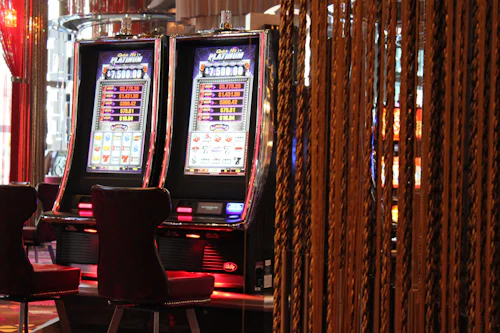
Another aspect of the social dynamic is the camaraderie that develops among regular casino-goers. Many frequent the same establishments and form friendships over shared experiences, fostering a sense of belonging. These connections can lead individuals to overlook the probability of winning and instead focus on the joy of participating in a communal activity. This social bonding can be particularly strong during events or tournaments, creating an atmosphere of excitement and competition that further draws people in, despite the odds being against them.
The Psychological Elements at Play
The psychology of gambling is complex and deeply rooted in human behavior. One crucial element is the concept of loss aversion, where the pain of losing is felt more intensely than the pleasure of winning. This psychological principle can compel individuals to continue gambling in the hopes of recouping losses, often leading them to make irrational decisions. Understanding this behavior is important as it highlights why even when the odds are against them, individuals may feel driven to persist. The emotional highs and lows experienced during gaming can create a roller coaster of feelings that many find addictive.
Furthermore, cognitive biases such as the gambler’s fallacy can further entrench this behavior. This fallacy is the belief that past events can influence future outcomes in random games. For instance, a player who sees a roulette wheel land on red several times might erroneously believe that black is ‘due’ and increase their bets accordingly. Such misconceptions can lead players to ignore the true odds, resulting in continued gambling despite the likelihood of losing. This cognitive dissonance can reinforce the idea that luck can change at any moment, keeping players engaged in the hope of a turnaround.
Additionally, the availability of instant rewards in casinos reinforces positive behavior. Players are often rewarded with bonuses, free spins, or complimentary drinks which can create a sense of euphoria. These rewards can also entice players to gamble more, reinforcing the cycle of betting and often leading to larger losses. The immediate gratification associated with these rewards can overshadow the understanding of the odds, causing individuals to flock to casinos in search of these fleeting moments of excitement. The psychological satisfaction derived from winning, even in small amounts, can keep players returning for more.
The Role of Marketing and Promotions
Marketing plays a pivotal role in attracting patrons to casinos, often employing strategies that emphasize winning despite the odds. Flashy advertisements featuring large jackpots and glamorous lifestyles can create an illusion of accessibility, leading potential gamblers to believe that winning is more achievable than it truly is. As these promotions highlight the successes of a few, they can overshadow the reality of the majority who lose, encouraging a persistent belief in the possibility of winning big. This marketing strategy effectively manipulates perceptions and can significantly influence an individual’s decision to gamble.

Moreover, casinos frequently run promotions that aim to entice individuals to try their luck, such as free play offers, bonuses on deposits, or loyalty programs that reward frequent players. These promotions can create a sense of urgency or fear of missing out, compelling individuals to visit the casino. This tactic plays directly into the psychological desire to ‘take a chance,’ effectively manipulating consumers’ understanding of the odds. By framing gambling as an opportunity rather than a risk, casinos can attract a wider audience, including those who may be apprehensive about traditional betting.
Additionally, immersive experiences created by casinos, such as themed nights or celebrity appearances, can help to foster a unique atmosphere that draws people in. By associating the gambling experience with glamorous or exclusive events, casinos can create a perception of desirability and excitement. This, paired with their promotional efforts, can lead people to ignore the odds, focusing instead on the overall experience and the potential for an unforgettable evening. The combination of entertainment and gambling creates a compelling draw, making it difficult for patrons to resist the allure of the casino.
Exploring Online Options
As technology advances, many individuals are now gravitating towards online gaming platforms, which offer convenience and accessibility. These digital versions of traditional casinos often replicate the thrilling experience, allowing individuals to gamble from the comfort of their homes. This shift has opened up new gambling opportunities, making it easier for people to engage without the need to travel to a physical location. The ability to access games at any time further enhances the appeal of online gambling, attracting a demographic that prioritizes convenience.
The online gambling landscape often features promotions and bonuses that are even more lucrative than those found in traditional casinos. These enticing offers can lure players, as they provide additional chances to win without initially risking their own money. This aspect appeals to those who might be wary of traditional gambling setups but are enticed by the prospect of enjoying games of chance without a significant investment. The rise of mobile gaming has made it even easier for people to play on the go, further contributing to the popularity of online platforms.
Furthermore, the anonymity provided by online gambling can lead to binge gambling behaviors that might not be as prevalent in physical casinos. The lack of social pressure, combined with the ease of access, can encourage individuals to gamble more freely, often disregarding the odds entirely. This shift in behavior raises questions about responsible gambling practices and the need for safeguards within the online gaming environment. As people flock to online casinos, understanding their motivations becomes essential in addressing these concerns and ensuring a safe gaming atmosphere.